

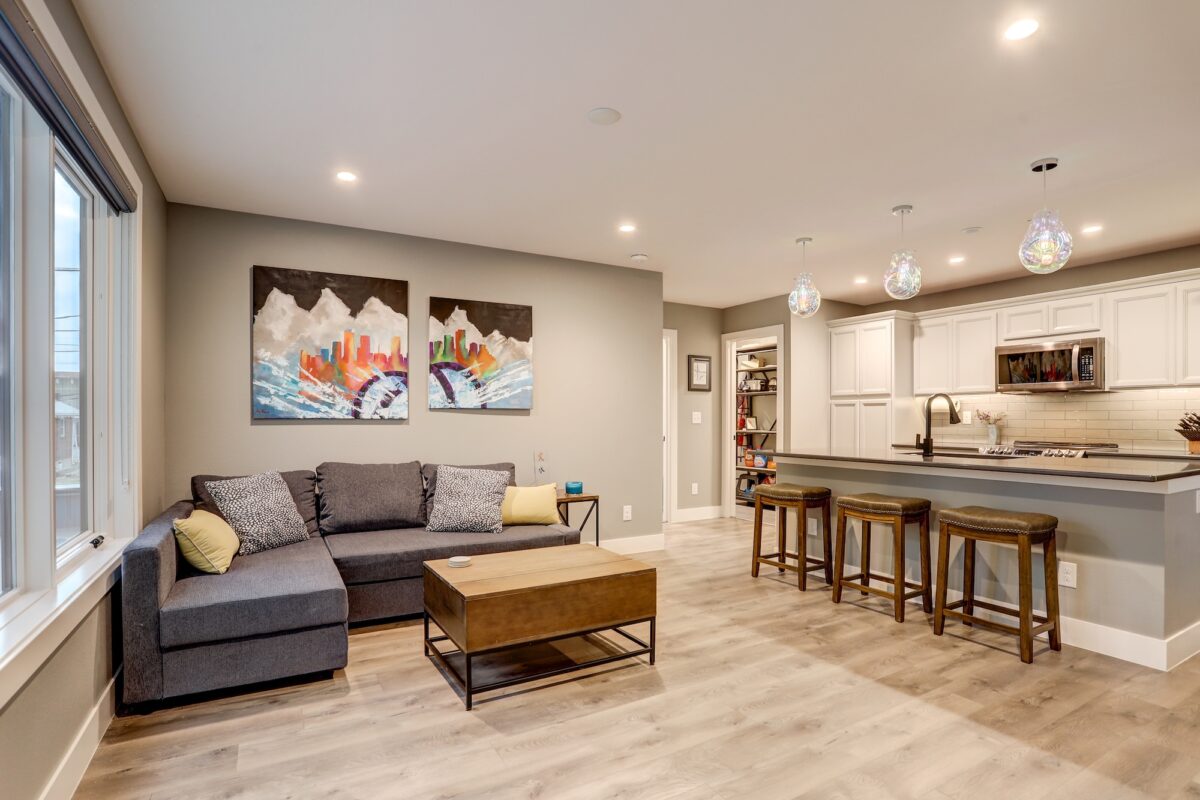
As accessory dwelling units (ADUs) continue to gain momentum across Denver, many homeowners begin the process with a clear goal: to create a private rental space that feels separate from the main home. At the same time, no two homeowners approach an ADU in exactly the same way. Some prioritize rental income, others flexibility for family, and many want a balance of both. And while that initial instinct toward privacy makes sense, the reality often shifts once the ADU is built. What starts as a purely functional addition frequently becomes something more, an extension of how a home lives, connects, and evolves over time. Many well-designed ADUs do not just add square footage; they feel like a seamless, integrated part of the property. With thoughtful design, materials, and site planning, and a clear understanding of how each homeowner wants to live, an ADU can feel like it has always belonged.
Designing ADUs That Feel Connected, Not Separate
A well-integrated ADU considers more than just the structure itself. It looks at the entire property ecosystem, how people move between spaces, how indoor and outdoor areas interact, and how the architecture complements the main home. Key elements that create that sense of connection include complementary materials and architectural details, intentional sightlines between structures, strong indoor-outdoor flow, landscaping and pathways that unify the space, and flexible, multi-use design. The goal is not to make the ADU identical to the main home, but to ensure it feels intentionally related.
Designing for Privacy Without Losing Connection
Many Denver homeowners start by prioritizing privacy, especially when planning to use their ADU as a rental. Considerations like tenant independence, separate access, and noise separation are all valid and important. But what we often see is that once the ADU is complete, homeowners begin to value connection just as much as separation.
What Changes After the ADU Is Built
What begins as a rental-focused structure often evolves into a more dynamic space. Homeowners start to use their ADU in ways they did not initially anticipate, as a place for visiting family, a creative studio, a work-from-home retreat, or an extension of their indoor-outdoor living. Instead of wanting the ADU to feel completely detached, many begin to appreciate having the option for connection when they want it.
The Design Sweet Spot: Flexible Privacy
The most successful ADUs strike a balance between independence for tenants and connection for homeowners. Rather than isolating the ADU entirely, thoughtful design creates flexibility through separate entrances, strategic window placement, landscaping that creates soft boundaries, and outdoor spaces that can be shared or separated. This allows the ADU to evolve with changing needs over time.
Real Examples of Thoughtful ADU Integration in Denver
Humboldt: Blurring Indoor and Outdoor Living
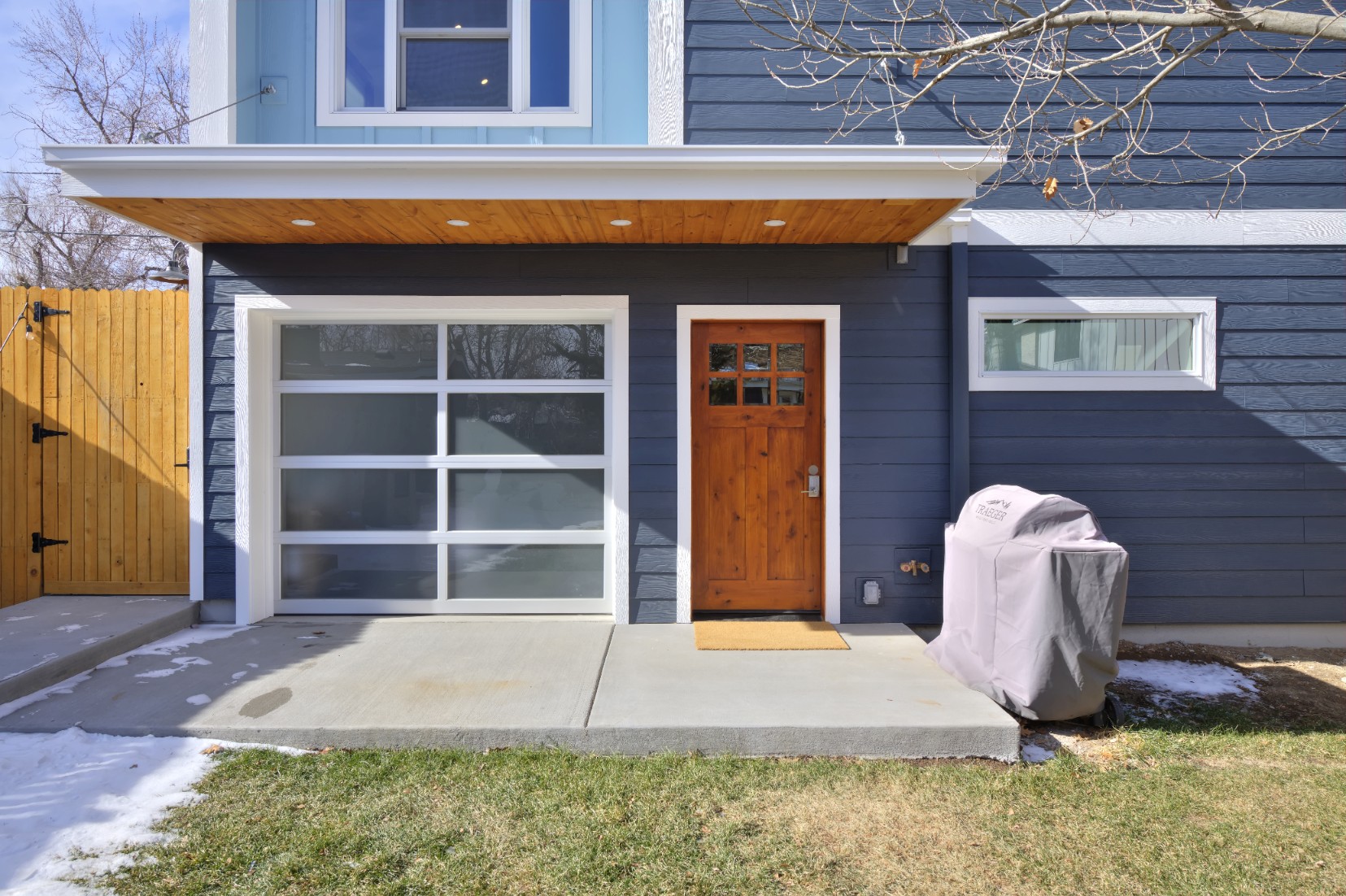
This ADU features a roll-up garage door that opens fully to the backyard, transforming the structure into a flexible extension of the home. Because the space serves both as a rental unit and a family gathering area, it can easily shift between an art studio, a party space with indoor-outdoor flow, or storage and garage use. An additional private parking space for tenants, separate from the home’s three-car garage, ensures functionality without compromising the homeowner experience.
South Sherman: A Private Oasis That Still Feels Connected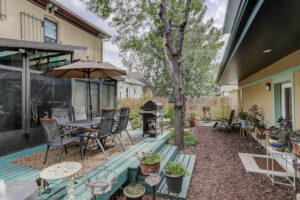
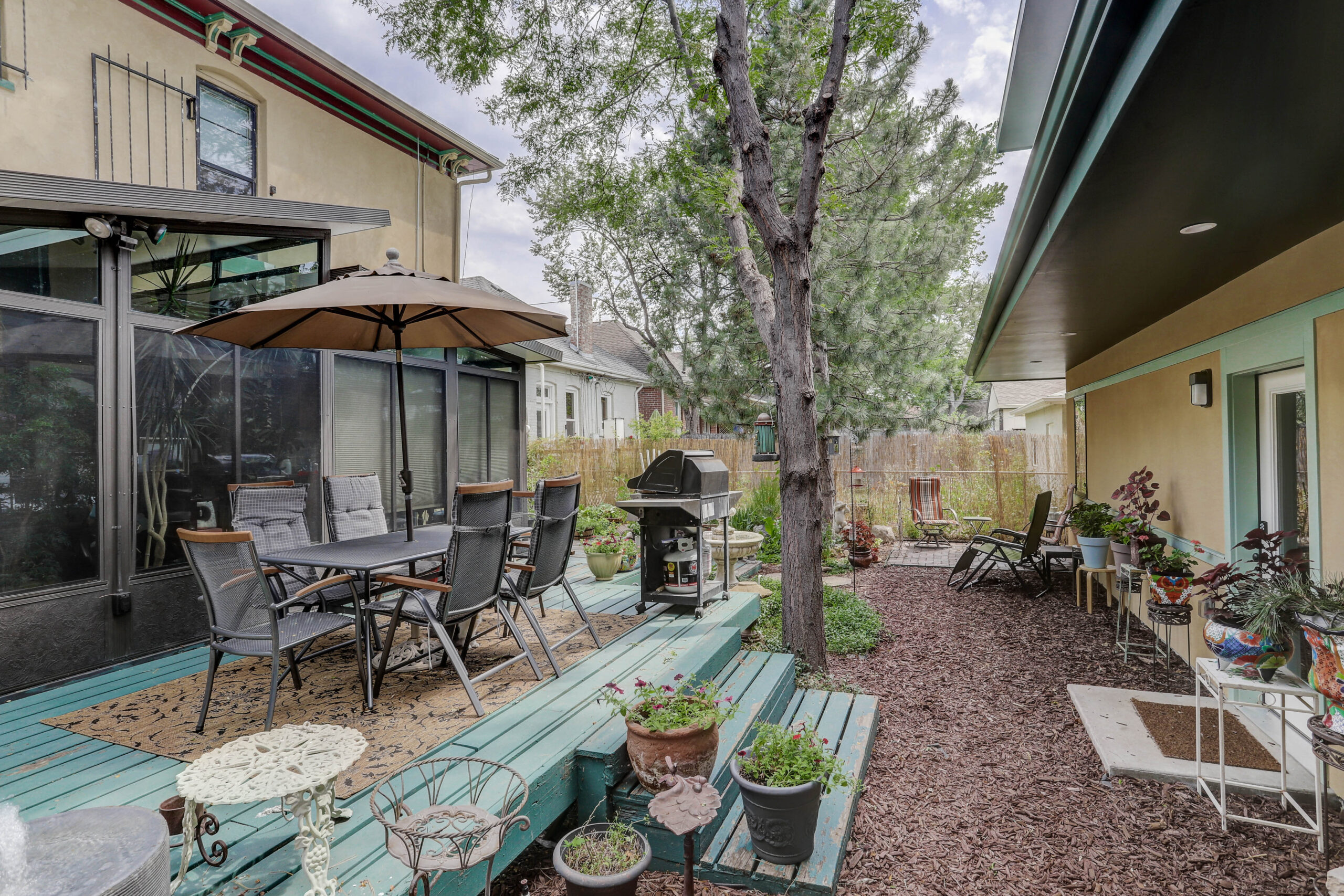
This ADU is anchored by a thoughtfully designed backyard and garden, creating a natural transition between the main home and the secondary space. Large windows and a deck bring in light and openness while maintaining privacy and reinforcing a shared sense of place. The result is a private retreat that still feels like part of a cohesive property.
Perry (In Progress): Designing for the Future
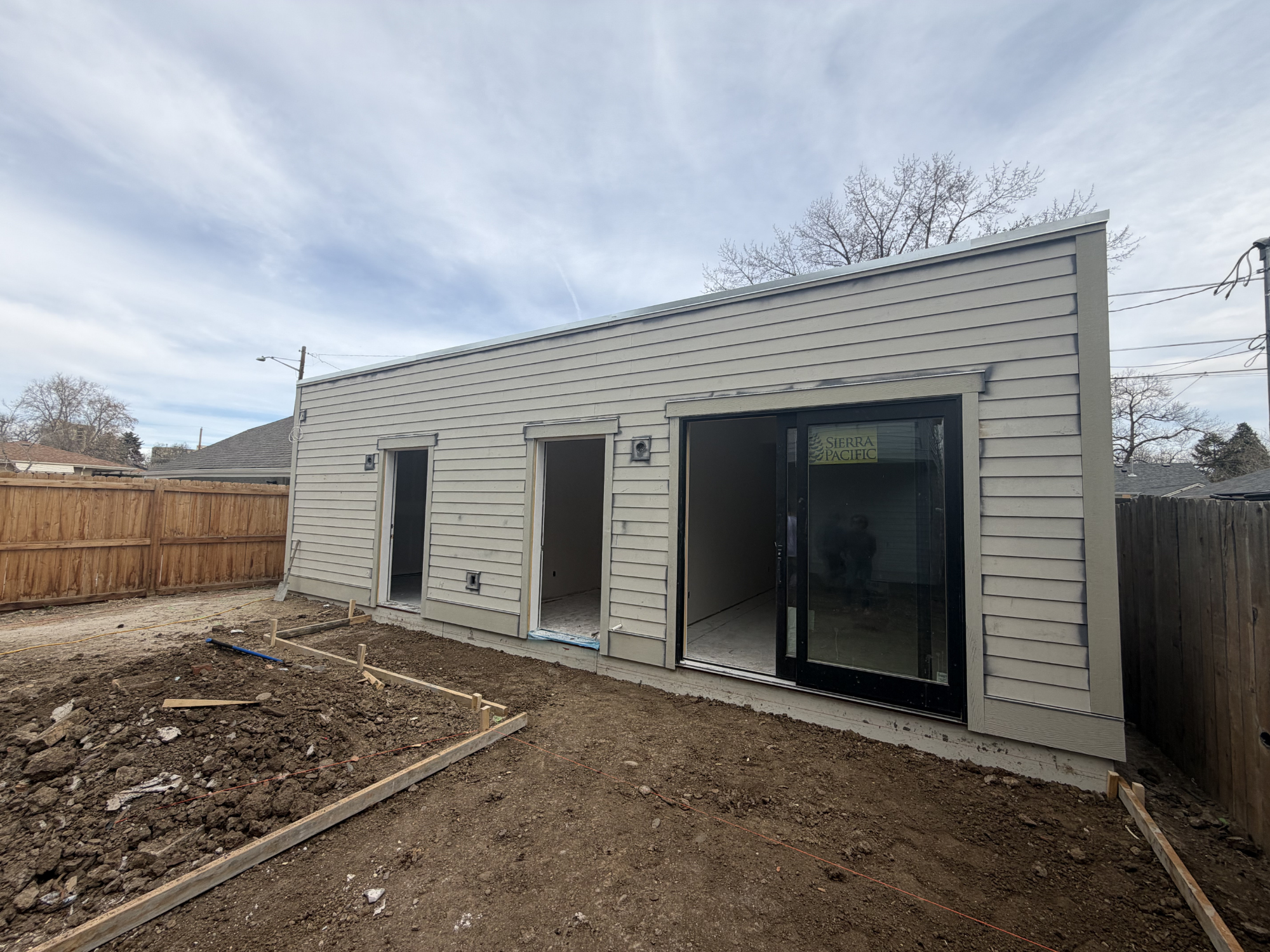
This project takes a forward-thinking approach to ADU design, building a garage today that is structurally prepared for a future ADU above. In its current phase, the structure already enhances daily living with a gym featuring sliding doors to the backyard, a home office that opens to outdoor space, and a 1.5-car garage for parking and storage. Even before the ADU is added, the design integrates seamlessly with the home, setting the stage for future expansion.
Humboldt: Material Continuity with Subtle Separation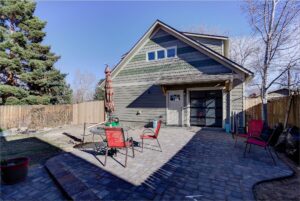
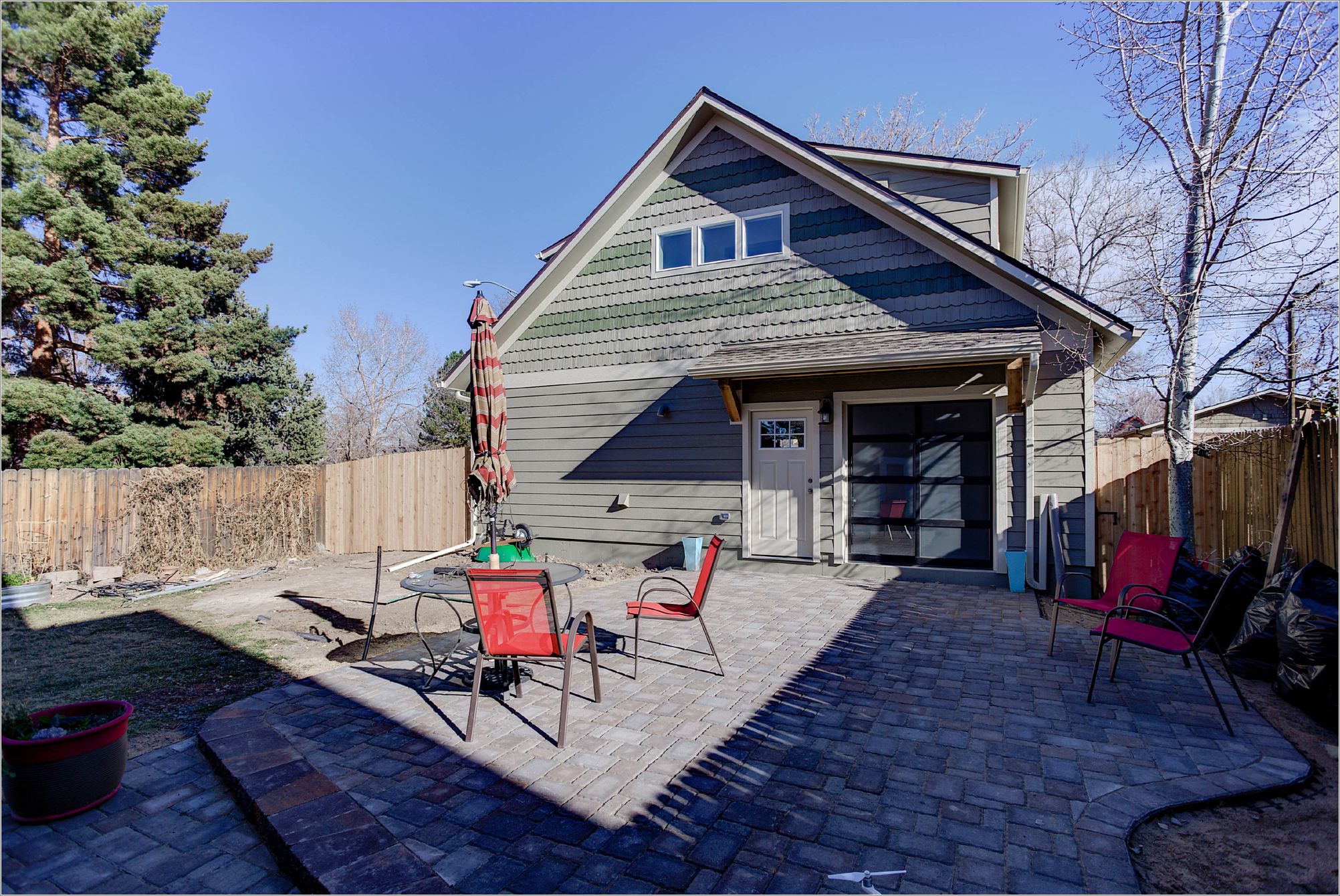
This ADU uses matching brickwork to mirror the existing patio, visually tying the structures together while maintaining a sense of distinction. A roll-up garage door adds flexibility for indoor-outdoor living, entertaining, and multi-use functionality. It is a strong example of how materials can create cohesion without sacrificing independence.
Lincoln: An ADU as a Design Feature
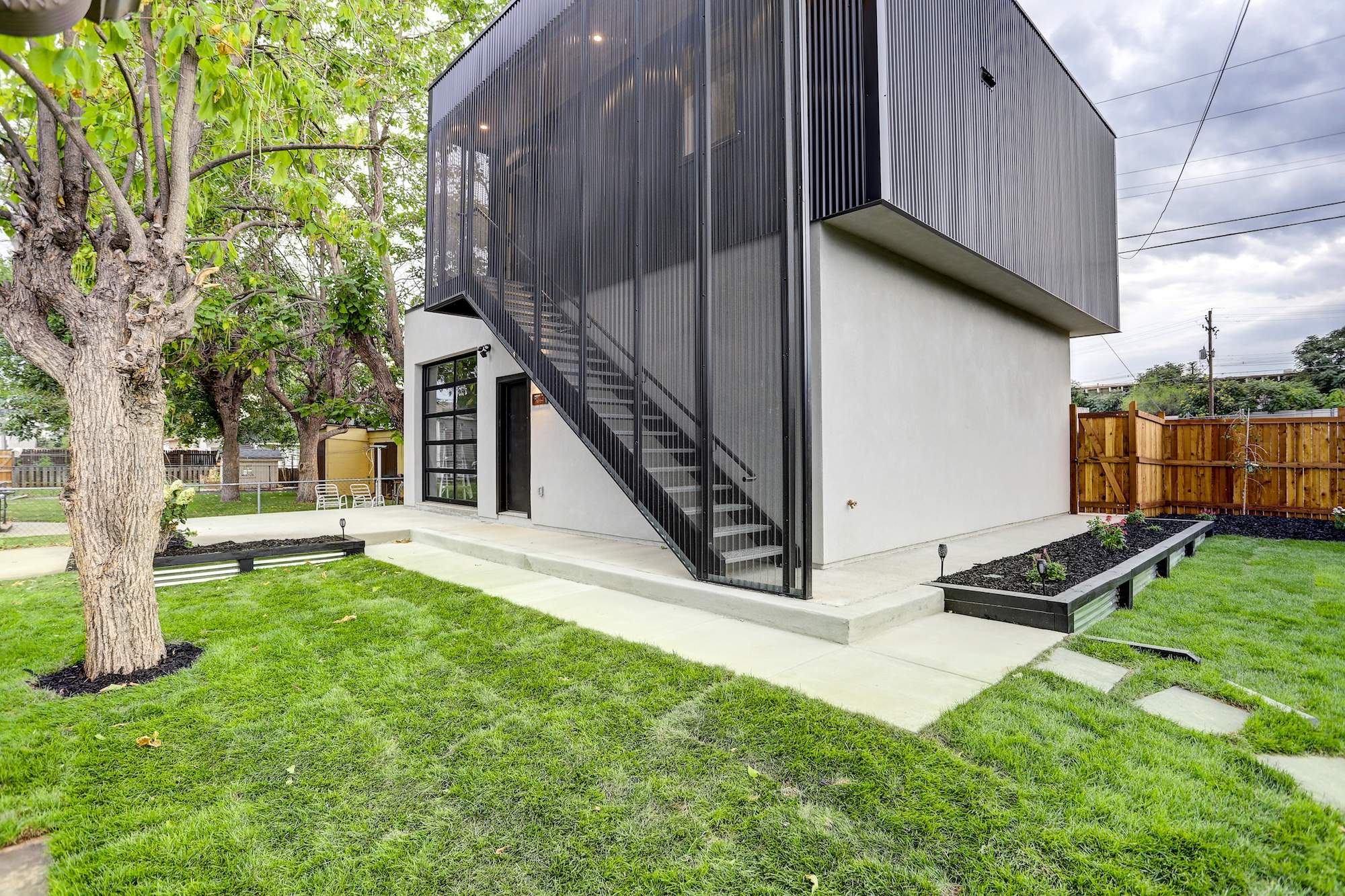
This ADU is designed as a standout architectural element, almost like an art piece within the yard. Thoughtful details such as a defined pathway, surrounding garden design, and a garage door opening to outdoor space ensure that while the structure is visually striking, it still feels connected to the main home.
Why Integration Matters for Denver Homeowners
In Denver, where ADUs are increasingly used for rental income, multigenerational living, and flexible lifestyle needs, designing them as part of the overall property, not separate units, adds lasting value. A well-integrated ADU enhances how the property functions day-to-day, improves the usability of outdoor space, creates a more cohesive living experience, and increases long-term resale appeal.
A Better Way to Think About ADUs
Instead of asking, “How do I keep this completely separate?” a more effective question is: how can this space serve multiple purposes over time? Because in reality, tenants change, needs evolve, and homeowners often want more flexibility than they initially expected. The best ADUs in Denver are not designed for a single use, they are designed to adapt.
Final Thoughts
The most successful ADUs are not just additional structures, they are intentional extensions of how a home lives and functions. When designed thoughtfully, an ADU can feel connected yet independent, offer privacy without isolation, support both rental income and personal use, and enhance both indoor and outdoor living.
No two homeowners approach an ADU in exactly the same way. Some prioritize rental income, others flexibility for family, and many want a balance of both. Designing an ADU that truly works means understanding those priorities from the beginning and creating a space that reflects how the homeowner wants to live, both now and in the future.
Ultimately, the best ADUs in Denver are not one-size-fits-all solutions. They are tailored to each property and each homeowner, becoming not just an addition, but an essential and lasting part of the home.
